Can You Mix Vitamin C and Vitamin E?
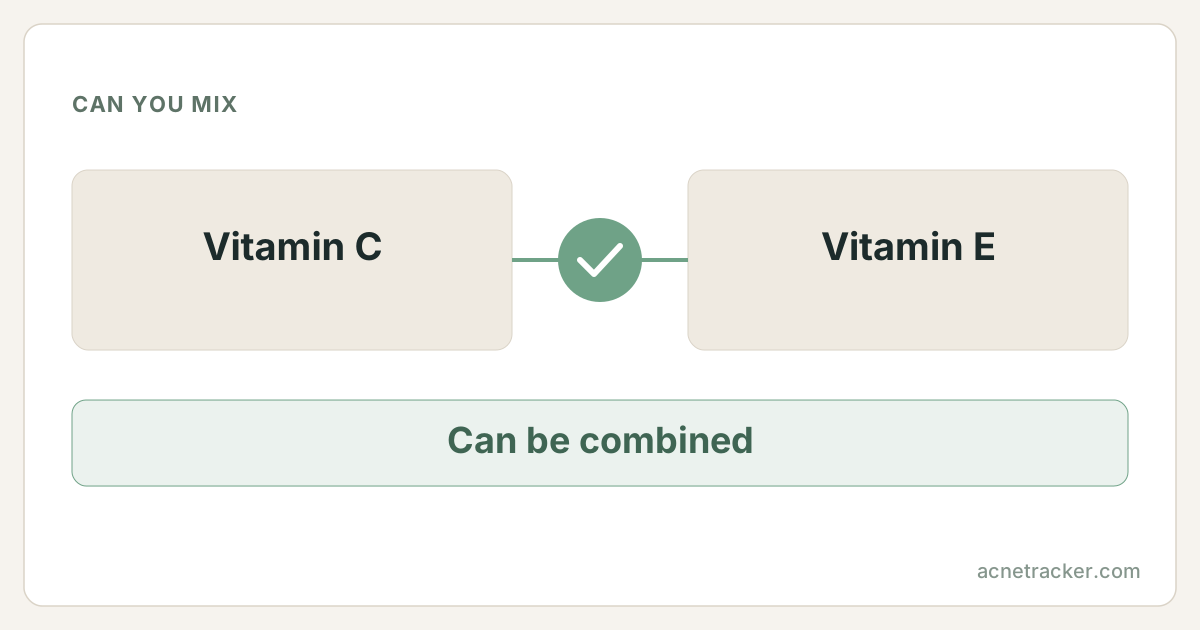
Yes — vitamin C and vitamin E are a genuinely synergistic pair, not just compatible. Vitamin E is fat-soluble and vitamin C is water-soluble, so together they protect both the oily and watery parts of skin cells, and vitamin C regenerates vitamin E after it neutralizes a free radical. Most quality vitamin C serums already include vitamin E for this reason. Use in the morning under sunscreen.
How this pairing resolves
The two ingredients, their published numbers, and where they land together.
The numbers beside each ingredient are its published comedogenic rating and effective pH window, taken from its own profile page.
Show the numbers
| Ingredients | Metric | 0–5 |
|---|---|---|
| Vitamin C | Comedogenic rating | 0/5 |
| Vitamin C | Effective pH | 2.5–3.5 |
| Vitamin E | Comedogenic rating | 0/5 |
| Vitamin E | Effective pH | no published pH |
Why
This is antioxidant teamwork with real mechanism behind it. Free radicals attack both the lipid membranes and the watery interior of skin cells, and no single antioxidant covers both. Vitamin E (tocopherol) is lipid-soluble and sits in cell membranes, quenching lipid peroxidation; vitamin C (ascorbic acid) is water-soluble and works in the aqueous phase. Together they patrol complementary compartments. The key synergy is regeneration: when vitamin E neutralizes a free radical it becomes an oxidized tocopheroxyl radical, and vitamin C donates an electron to convert it back into active vitamin E, effectively recycling it. This mutual support makes the pair more durable and more effective than either alone, and it also improves the stability of the formula. It is the same logic that underlies the vitamin C, E, and ferulic acid antioxidant standard. Because both are antioxidants rather than irritating exfoliants, there is no pH clash or tolerance problem to manage — they are built to work side by side.
How to combine them
The simplest route is a serum that already pairs them, typically 10–20% vitamin C with around 1% vitamin E, often with ferulic acid. Apply it in the morning: cleanse, serum on dry skin, moisturizer, then SPF 30+, so the antioxidants back up your sunscreen against UV and pollution. If you use separate products, apply the water-based vitamin C serum first and the more emollient vitamin E product after, following the thin-to-thick rule. Vitamin E is also found in many moisturizers, so you may already be layering it without a dedicated step. Keep any vitamin C formula sealed and out of light to preserve potency. There is no need to split these across the day — their value is in being used together.
Example routine
| When | Steps |
|---|---|
| Morning | Cleanser → Vitamin C + E serum → Moisturizer → SPF 30+ |
| Separate products | Water-based vitamin C first, then emollient vitamin E |
| Evening (optional) | Antioxidant serum can also be used at night |
| Storage | Keep sealed and out of light to limit oxidation |
Warning signs
Frequently asked questions
Why are vitamin C and vitamin E used together?
They cover different parts of the cell — vitamin C the watery phase, vitamin E the lipid membranes — and vitamin C regenerates vitamin E after it neutralizes a free radical, making the pair more effective and durable.
Do I need a separate vitamin E product?
Often not. Most vitamin C serums already contain vitamin E, and many moisturizers include it too, so you may be getting the synergy without adding a dedicated step.
Is this combination safe for daily use?
Yes. Both are antioxidants with no exfoliating action or pH conflict, so daily morning use under sunscreen is ideal and well tolerated by nearly all skin types.
Can the vitamin E in a vitamin C serum clog pores?
Pure tocopherol in rich formulas can feel heavy on very oily or acne-prone skin. If that is a concern, use a lightweight vitamin C serum that includes a small percentage of vitamin E rather than a heavy oil.
Sources & further reading
There is no single study of this exact question. The guidance here is reasoned from the ingredient profiles below, each of which carries its own references:
Show every reference behind this page (5)
- PubChem — Ascorbic Acid compound summarycited by Vitamin C
- DermNet — Topical vitamin Ccited by Vitamin C
- European Commission CosIng database — Ascorbic Acidcited by Vitamin C, Vitamin E
- PubChem — Tocopherol compound summarycited by Vitamin E
- DermNet — Vitamin Ecited by Vitamin E
Medical disclaimer
Ingredients mentioned on this page
Find your personal acne triggers
Our free Acne Tracker lets you log breakouts, sleep, stress and diet, and shows you which factors correlate with your flare-ups.