Can You Mix Mandelic Acid and Salicylic Acid?
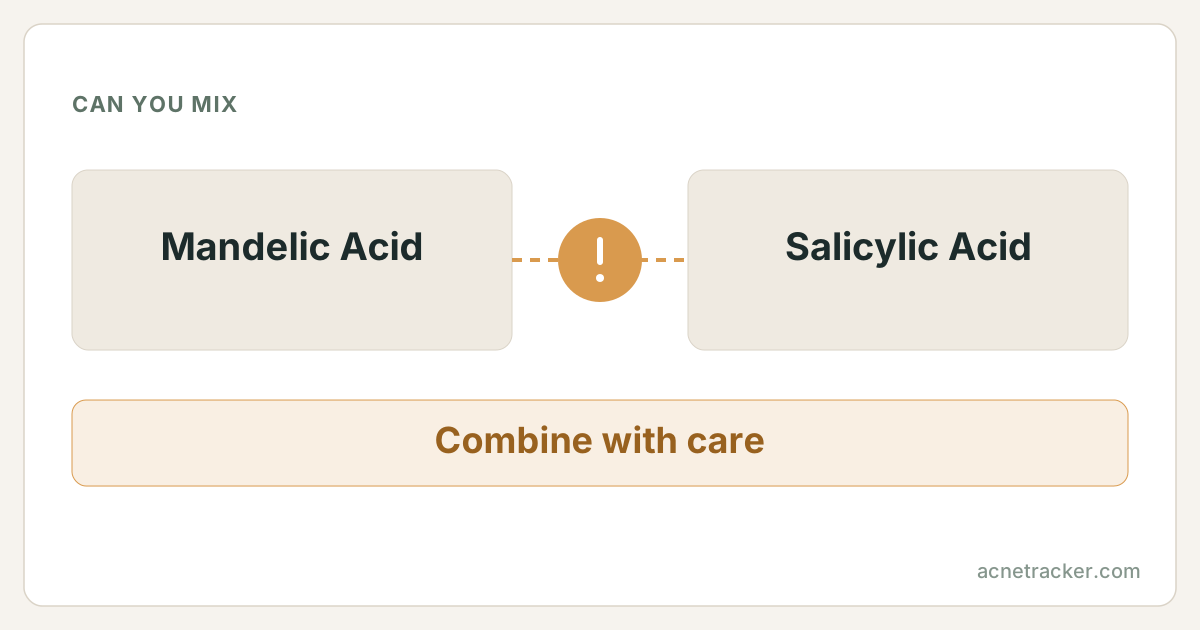
You can, cautiously. Mandelic acid is a large, slow-penetrating AHA that suits sensitive and acne-prone skin, and salicylic acid is a pore-clearing BHA, so they target different depths. But they are both exfoliating acids, so daily stacking still risks over-exfoliation. Alternating nights or zoning by skin area is the safest way to use them together.
How this pairing resolves
The two ingredients, their published numbers, and where they land together.
The numbers beside each ingredient are its published comedogenic rating and effective pH window, taken from its own profile page.
Show the numbers
| Ingredients | Metric | 0–5 |
|---|---|---|
| Mandelic Acid | Comedogenic rating | 0/5 |
| Mandelic Acid | Effective pH | 3.0–4.0 |
| Salicylic Acid | Comedogenic rating | 0/5 |
| Salicylic Acid | Effective pH | 3.0–4.0 |
Why
Mandelic acid is derived from bitter almonds and has the largest molecule of the common alpha-hydroxy acids. That size makes it penetrate slowly and evenly, which is why it is often recommended for sensitive, reactive or darker skin tones that flush or pigment easily. It exfoliates the surface and has some antibacterial activity useful for breakouts. Salicylic acid, a beta-hydroxy acid, is oil-soluble and works below the surface inside the pore, dissolving the sebum-and-cell plugs behind blackheads and whiteheads. Because one focuses on the surface and the other on the pore, their acne benefits complement each other. The risk is the same as any acid duo: combined they lower pH more and remove more of the protective barrier than either alone. Mandelic's mildness gives you more room than glycolic acid would, but over-exfoliation still shows up as tightness and sensitivity if you overuse both. Neither is a substitute for prescription care in severe acne.
How to combine them
Start by alternating: salicylic acid two nights a week for pore congestion, mandelic acid one or two nights for overall clarity and tone. Because mandelic acid is so gentle, some tolerant skin can layer a thin salicylic acid on the T-zone first, let it absorb, then apply mandelic acid across the face, finishing with moisturizer — but build to this slowly. Zoning also suits combination skin: salicylic on the oily center, mandelic on the cheeks. Moisturize afterward and never skip morning SPF 30+, since both acids increase photosensitivity. Add one acid, hold for two to four weeks, then add the second, and cut back at any sign of irritation.
Example routine
| When | Steps |
|---|---|
| Monday PM | Cleanser → Salicylic acid → Moisturizer |
| Wednesday PM | Cleanser → Mandelic acid → Moisturizer |
| Saturday PM | Cleanser → Mandelic acid → Moisturizer |
| Every morning | Cleanser → Moisturizer → SPF 30+ |
Warning signs
Frequently asked questions
Is mandelic acid better than salicylic acid for sensitive acne-prone skin?
Mandelic acid is very gentle and antibacterial, which suits sensitive, reactive skin. Salicylic acid reaches deeper into pores. Many people use both, but if your skin is easily irritated, lead with mandelic and add salicylic sparingly.
Can I layer mandelic acid over salicylic acid?
Only if your skin already tolerates each one. Apply salicylic acid first, let it absorb, then mandelic acid, then moisturizer. Keep this to one or two nights weekly and stop if irritation appears.
Does this pairing help with dark marks?
Both acids can fade post-acne marks over time by speeding cell turnover, and mandelic acid is often chosen for deeper skin tones because it pigments less easily. Consistent SPF is essential for any mark to fade.
How often can I safely exfoliate with these together?
For most people, two to three total acid nights per week is a sensible ceiling when combining them. Spread them out with recovery nights and adjust down if your barrier feels stressed.
Sources & further reading
There is no single study of this exact question. The guidance here is reasoned from the ingredient profiles below, each of which carries its own references:
- Mandelic Acid2 refs
- Salicylic Acid2 refs
Show every reference behind this page (4)
- Mandelic acid — PubChem compound summarycited by Mandelic Acid
- DermNet — Alpha hydroxy acidscited by Mandelic Acid
- Salicylic acid as a peeling agent: a comprehensive review (PubMed)cited by Salicylic Acid
- FDA OTC monograph — acne drug products (salicylic acid 0.5–2%)cited by Salicylic Acid
Medical disclaimer
Ingredients mentioned on this page
Find your personal acne triggers
Our free Acne Tracker lets you log breakouts, sleep, stress and diet, and shows you which factors correlate with your flare-ups.