Can You Mix Lactic Acid and Tranexamic Acid?
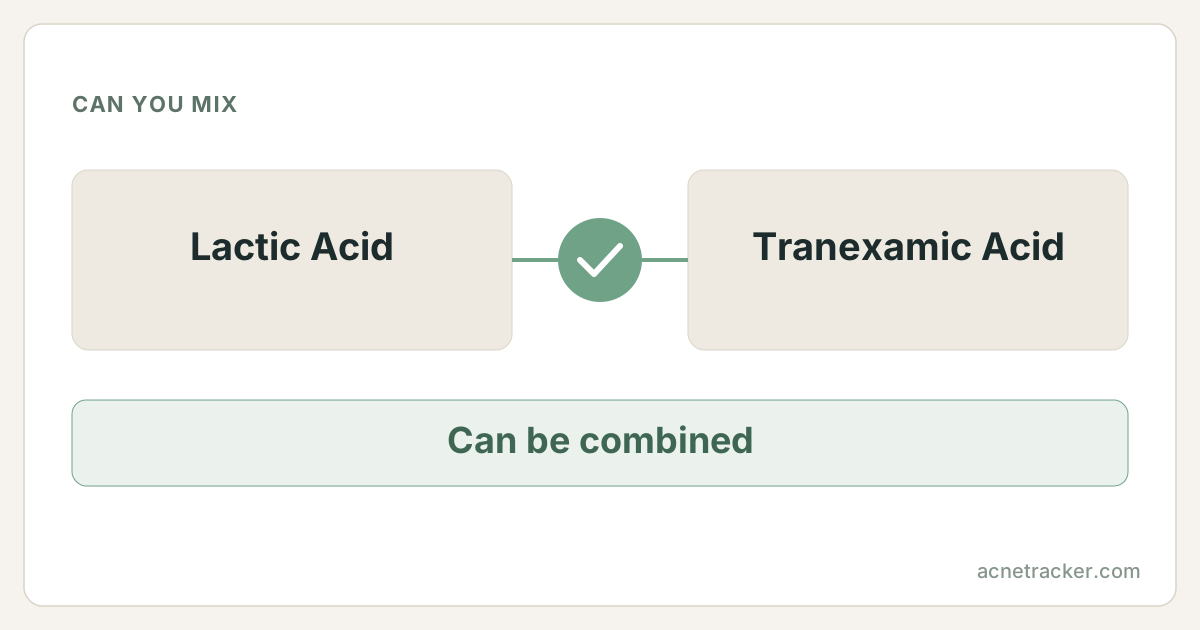
Yes. Despite the name, tranexamic acid is not an exfoliating acid, it is a brightening ingredient that calms stubborn pigment and redness, so pairing it with lactic acid is not stacking two exfoliants. The AHA clears pigmented surface cells while tranexamic acid works deeper on melanin, making them a strong duo for melasma and dark marks.
How this pairing resolves
The two ingredients, their published numbers, and where they land together.
The numbers beside each ingredient are its published comedogenic rating and effective pH window, taken from its own profile page.
Show the numbers
| Ingredients | Metric | 0–5 |
|---|---|---|
| Lactic Acid | Comedogenic rating | 0/5 |
| Lactic Acid | Effective pH | 3.0–4.0 |
| Tranexamic Acid | Comedogenic rating | 0/5 |
| Tranexamic Acid | Effective pH | no published pH |
Why
The word acid is misleading here. Tranexamic acid is a small molecule originally used medically to reduce bleeding, and in skincare it interrupts the signalling between skin cells and pigment-producing melanocytes, which makes it particularly useful for melasma and post-inflammatory hyperpigmentation that other brighteners struggle with. It is not an exfoliant and does not need a low pH to work, so combining it with lactic acid does not create the over-exfoliation risk that two genuine AHAs would. Instead the two are complementary: lactic acid exfoliates the surface, removing dead cells laden with existing pigment and improving penetration, while tranexamic acid works underneath to reduce the overproduction and uneven distribution of melanin. Because tranexamic acid is water-soluble and pH-flexible, lactic acid's acidity does not disable it. The pairing is especially valued for melasma, a notoriously stubborn condition, where surface renewal plus pigment-signal calming addresses the problem from two angles at once.
How to combine them
Layer the acid first, then tranexamic acid. Cleanse, apply lactic acid to dry skin, wait a few minutes, then apply your tranexamic acid serum, and seal with moisturizer. Tranexamic acid is gentle and has no frequency limit, so it can be used morning and night, while lactic acid stays at two or three evenings a week. Many people use tranexamic acid twice daily and lactic acid on alternate nights for surface renewal. It also layers well with niacinamide and vitamin C for a fuller brightening routine. As with all pigment work, daily broad-spectrum SPF 30 or higher is the make-or-break step, and it matters even more with melasma, which is strongly driven by UV and heat. Give the routine two to three months to show results.
Example routine
| When | Steps |
|---|---|
| Evening (2–3× per week) | Cleanser → Lactic acid → wait 5 min → Tranexamic acid → Moisturizer |
| Other evenings | Cleanser → Tranexamic acid → Moisturizer |
| Every morning | Cleanser → Tranexamic acid → Moisturizer → SPF 30+ |
Warning signs
Frequently asked questions
Is tranexamic acid an exfoliating acid like lactic acid?
No, despite its name. Tranexamic acid is a brightening ingredient that calms pigment signalling, not an exfoliant, so combining it with lactic acid does not stack two exfoliants or risk over-exfoliation.
Does lactic acid or tranexamic acid go first?
Lactic acid first, on clean dry skin, so it exfoliates at low pH and improves penetration. Wait a few minutes, then apply tranexamic acid, which works deeper on melanin, and finish with moisturizer.
Is this pairing good for melasma?
It is one of the more useful combinations for melasma. Lactic acid renews the pigmented surface while tranexamic acid calms the melanin overproduction underneath, though strict daily sun and heat protection is essential.
Can I use tranexamic acid every day with lactic acid?
Yes. Tranexamic acid is gentle, pH-flexible and has no frequency limit, so it suits twice-daily use. Keep lactic acid to two or three evenings a week to avoid over-exfoliating the skin.
Sources & further reading
There is no single study of this exact question. The guidance here is reasoned from the ingredient profiles below, each of which carries its own references:
- Lactic Acid3 refs
- Tranexamic Acid3 refs
Show every reference behind this page (6)
- PubChem — Lactic acid compound summarycited by Lactic Acid
- DermNet — Alpha hydroxy acidscited by Lactic Acid
- European Commission CosIng database — Lactic Acidcited by Lactic Acid
- PubChem — Tranexamic acid compound summarycited by Tranexamic Acid
- Tranexamic Acid for Hyperpigmentation Disorders: A Literature Review on Efficacy and Safety in Melasma and PIH. J Cosmet Dermatol 2026 Feb (PubMed)cited by Tranexamic Acid
- DermNet — Melasmacited by Tranexamic Acid
Medical disclaimer
Ingredients mentioned on this page
Find your personal acne triggers
Our free Acne Tracker lets you log breakouts, sleep, stress and diet, and shows you which factors correlate with your flare-ups.