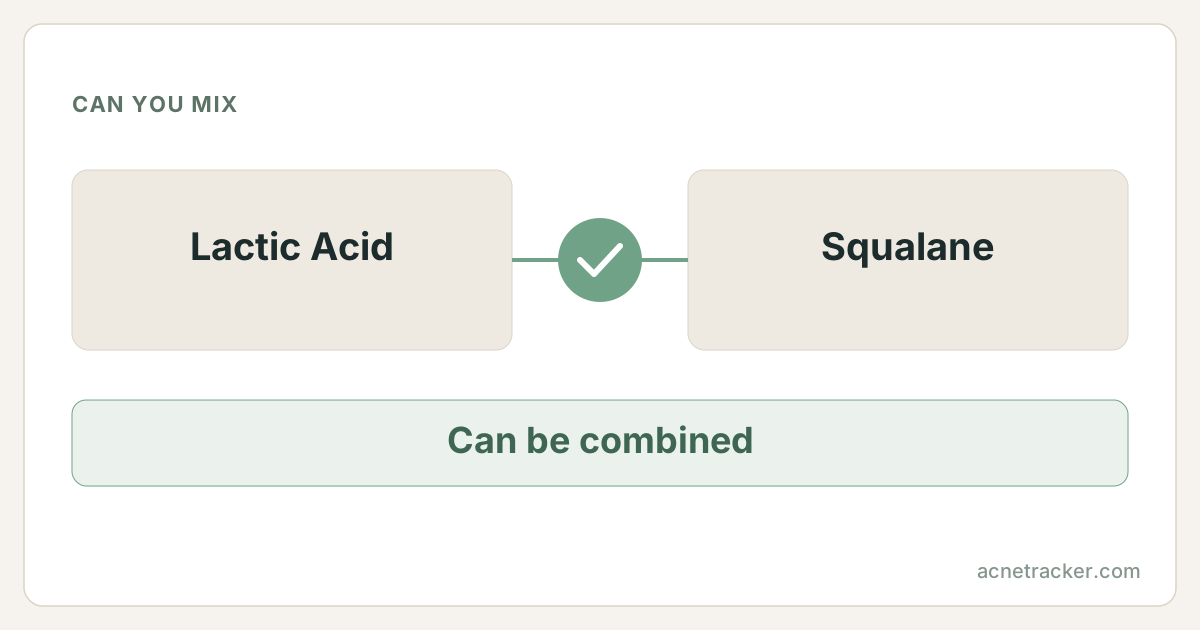
Can You Mix Lactic Acid and Squalane?
Yes, this is an easy, low-risk combination. Lactic acid exfoliates and hydrates the surface, and squalane is a light, non-comedogenic emollient that softens skin and helps seal in moisture afterward. Apply the acid first and squalane on top, and the oil cushions any dryness or tightness the exfoliation might otherwise cause.
How this pairing resolves
The two ingredients, their published numbers, and where they land together.
The numbers beside each ingredient are its published comedogenic rating and effective pH window, taken from its own profile page.
Show the numbers
| Ingredients | Metric | 0–5 |
|---|---|---|
| Lactic Acid | Comedogenic rating | 0/5 |
| Lactic Acid | Effective pH | 3.0–4.0 |
| Squalane | Comedogenic rating | 1/5 |
| Squalane | Effective pH | no published pH |
Why
Squalane is a stable, saturated version of squalene, a lipid your own skin produces naturally, which is why it sits so comfortably on almost every skin type without clogging pores. It is an emollient and a light occlusive, meaning it fills the gaps between surface cells to smooth texture and slows water loss from the skin. That makes it an ideal follow-up to lactic acid. The AHA loosens and sheds dull dead cells and pulls water into the fresh layer beneath as a humectant, but exfoliation also leaves the surface slightly more permeable and prone to moisture loss. Squalane applied afterward seals that freshly exfoliated skin, locking in the hydration the acid attracted and softening any rough patches. There is no chemical clash: squalane is inert and pH-neutral, so it neither changes the acid's working pH nor gets degraded by it. It is one of the simplest ways to make an exfoliating routine feel comfortable rather than stripping.
How to combine them
Because squalane is an oil, it goes last or near-last, after the acid has done its job. Cleanse, apply lactic acid to dry skin, wait a few minutes, then apply a few drops of squalane, optionally over a water-based moisturizer if your skin is very dry. On nights you are not exfoliating, squalane can be used alone as often as you like, since it has no frequency limit. It also works beautifully as a morning step under sunscreen for skin that feels tight after acid nights. If your skin is oily you may prefer squalane only on acid nights, where its cushioning is most useful; drier skin can use it daily. As always, an exfoliated face needs daily SPF 30 or higher.
Example routine
| When | Steps |
|---|---|
| Evening (2–3× per week) | Cleanser → Lactic acid → wait 5 min → Squalane (or moisturizer then squalane) |
| Other evenings | Cleanser → Moisturizer → Squalane |
| Every morning | Cleanser → Squalane → SPF 30+ |
Warning signs
Frequently asked questions
Does squalane go before or after lactic acid?
After. Apply lactic acid to clean dry skin first so it works at its low pH, then squalane last to seal and soften. An oil applied first would block the acid from reaching the skin.
Will squalane clog pores when used with lactic acid?
Squalane is non-comedogenic and mimics a lipid skin already makes, so it rarely clogs pores. Paired with lactic acid, which keeps pores clear, it suits even oily and acne-prone skin.
Can squalane replace my moisturizer after lactic acid?
For some skin, yes. Squalane alone seals well on normal to oily skin. Dry skin usually does better with a water-based moisturizer underneath and squalane on top to lock it in.
Is squalane enough sun protection the morning after acids?
No. Squalane offers no UV protection. After any lactic acid night you still need a dedicated broad-spectrum SPF 30 or higher, applied over your squalane and moisturizer.
Sources & further reading
There is no single study of this exact question. The guidance here is reasoned from the ingredient profiles below, each of which carries its own references:
- Lactic Acid3 refs
- Squalane3 refs
Show every reference behind this page (5)
- PubChem — Lactic acid compound summarycited by Lactic Acid
- DermNet — Alpha hydroxy acidscited by Lactic Acid
- European Commission CosIng database — Lactic Acidcited by Lactic Acid, Squalane
- PubChem — Squalane compound summarycited by Squalane
- DermNet — Emollients and moisturiserscited by Squalane
Medical disclaimer
Ingredients mentioned on this page
Find your personal acne triggers
Our free Acne Tracker lets you log breakouts, sleep, stress and diet, and shows you which factors correlate with your flare-ups.