Can You Mix Ceramides and Lactic Acid?
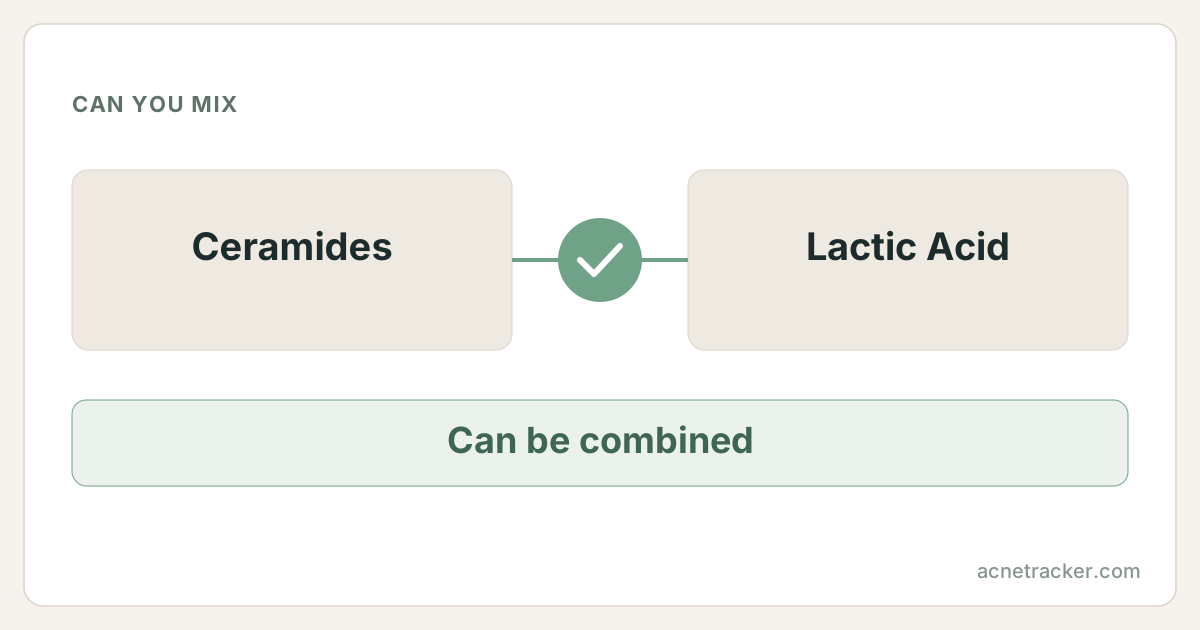
Yes, and it is one of the most sensible acid pairings there is. Lactic acid exfoliates and mildly disrupts the surface, while ceramides replace the exact lipids that hold the barrier together. Using them in sequence means you get the smoothing and tone benefits of the acid without leaving skin raw, because the ceramides step in to repair afterward.
How this pairing resolves
The two ingredients, their published numbers, and where they land together.
The numbers beside each ingredient are its published comedogenic rating and effective pH window, taken from its own profile page.
Show the numbers
| Ingredients | Metric | 0–5 |
|---|---|---|
| Ceramides | Comedogenic rating | 0/5 |
| Ceramides | Effective pH | no published pH |
| Lactic Acid | Comedogenic rating | 0/5 |
| Lactic Acid | Effective pH | 3.0–4.0 |
Why
Every acid exfoliation, however gentle, temporarily loosens the outer skin layer and removes some of the lipids that seal moisture in. Ceramides are those lipids: they make up roughly half of the skin barrier's mortar, sitting between cells alongside cholesterol and fatty acids to keep water in and irritants out. Pairing them with lactic acid is a repair-after-renew strategy. Lactic acid clears dull, built-up dead cells and, being a natural moisturizing factor itself, draws water into the fresh surface below; a ceramide cream then rebuilds the mortar that the exfoliation thinned, so the newly smoothed skin holds onto that hydration instead of losing it. There is no pH conflict to worry about, because ceramides are not pH-dependent actives, they are structural lipids that work in a moisturizer regardless of acidity. This is why so many dermatologists recommend a ceramide moisturizer as the standing partner to any exfoliating acid: it directly offsets the one real downside of regular exfoliation, which is barrier thinning.
How to combine them
Order matters here. On acid nights, cleanse, apply lactic acid to dry skin, wait a few minutes for it to work at its own pH, then apply your ceramide moisturizer on top to seal and repair. Do not mix them into the same layer, and do not apply ceramides first, since a rich cream would blunt the acid's contact with skin. On non-acid nights, use the ceramide moisturizer alone, every single night if you like, because unlike the acid it needs no frequency limit and is safe daily. Beginners can add the ceramide cream from day one while introducing lactic acid slowly, two nights a week to start. Ceramides also make a good morning moisturizer under SPF, keeping the barrier supported around the clock.
Example routine
| When | Steps |
|---|---|
| Evening (2–3× per week) | Cleanser → Lactic acid → wait 5 min → Ceramide moisturizer |
| Other evenings | Cleanser → Ceramide moisturizer |
| Every morning | Cleanser → Ceramide moisturizer → SPF 30+ |
Warning signs
Frequently asked questions
Should ceramides go before or after lactic acid?
After. Apply lactic acid to clean dry skin first so it can work at its low pH, then layer the ceramide moisturizer on top to seal and repair. Ceramides first would blunt the acid.
Do ceramides cancel out lactic acid's exfoliation?
No, as long as the acid goes on first and gets a few minutes to absorb. The ceramide cream applied on top repairs the barrier without stopping the exfoliation that has already begun.
Can I use ceramides every night with lactic acid?
Yes. Ceramides have no frequency limit and can be used nightly and every morning. Only the lactic acid needs to be kept to two or three nights a week for most skin.
Is a ceramide moisturizer enough after acids, or do I need more?
For most people a good ceramide moisturizer is enough to offset exfoliation. Very dry or compromised skin can add a humectant serum underneath and a heavier occlusive on top in winter.
Sources & further reading
There is no single study of this exact question. The guidance here is reasoned from the ingredient profiles below, each of which carries its own references:
- Ceramides3 refs
- Lactic Acid3 refs
Show every reference behind this page (5)
- DermNet — Skin barrier functioncited by Ceramides
- PubChem — Ceramide compound summarycited by Ceramides
- European Commission CosIng database — Ceramide NPcited by Ceramides, Lactic Acid
- PubChem — Lactic acid compound summarycited by Lactic Acid
- DermNet — Alpha hydroxy acidscited by Lactic Acid
Medical disclaimer
Ingredients mentioned on this page
Find your personal acne triggers
Our free Acne Tracker lets you log breakouts, sleep, stress and diet, and shows you which factors correlate with your flare-ups.