Can You Mix Bakuchiol and Squalane?
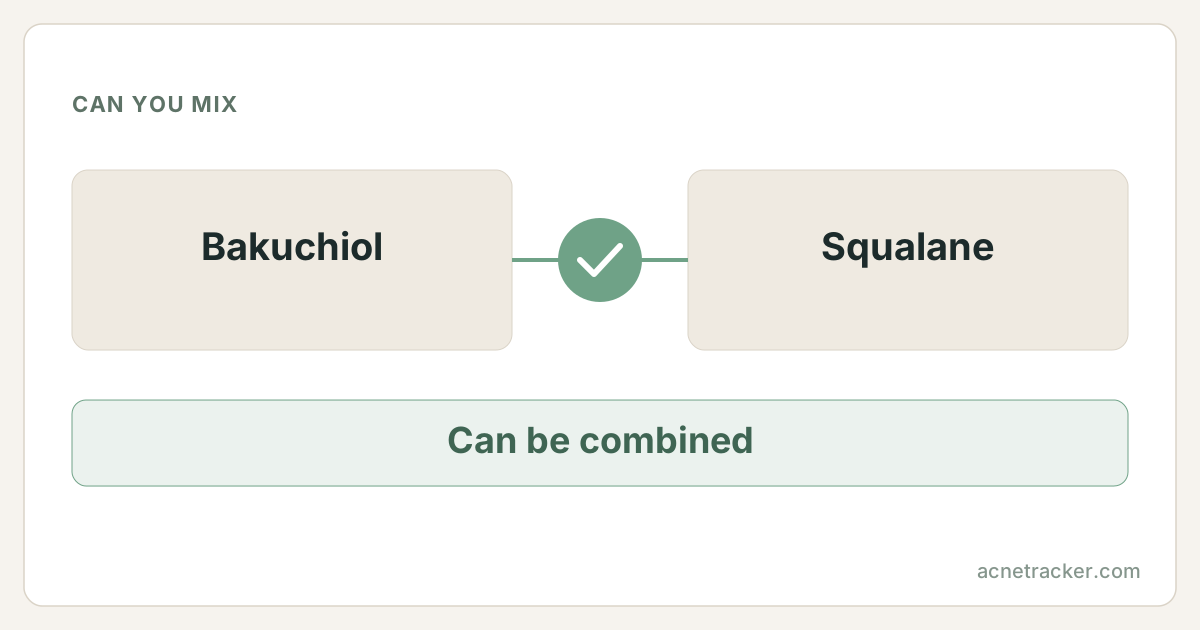
Yes, absolutely. Squalane is one of the easiest partners for bakuchiol: a lightweight, non-comedogenic oil that mimics the skin's own sebum and cushions any renewal active. Bakuchiol handles the smoothing and firming; squalane softens, reduces trans-epidermal water loss and improves slip, letting the serum spread evenly without clogging acne-prone pores.
How this pairing resolves
The two ingredients, their published numbers, and where they land together.
The numbers beside each ingredient are its published comedogenic rating and effective pH window, taken from its own profile page.
Show the numbers
| Ingredients | Metric | 0–5 |
|---|---|---|
| Bakuchiol | Comedogenic rating | 0/5 |
| Bakuchiol | Effective pH | no published pH |
| Squalane | Comedogenic rating | 1/5 |
| Squalane | Effective pH | no published pH |
Why
Squalane is the stable, hydrogenated form of squalene, a lipid your sebaceous glands already produce. Because it is so close to skin's own oil, it absorbs cleanly and rates near zero on comedogenicity scales, which is why it suits the oily, breakout-prone skin that often wants bakuchiol in the first place. Bakuchiol, a fat-friendly meroterpene, is itself oil-soluble, so it dissolves and travels beautifully in a squalane base — the oil acts as a gentle delivery vehicle rather than a barrier. There is no reactive chemistry between them: squalane is inert and resistant to oxidation, and bakuchiol is a robust antioxidant that tolerates a wide pH range. The pairing's real value is tolerance. Emollient occlusion from squalane blunts the mild dryness some people feel as bakuchiol accelerates turnover, so skin stays supple while renewal proceeds. It is a texture-and-comfort partnership layered onto bakuchiol's active work, ideal for those who want results without heaviness.
How to combine them
You have two good options. The first is to layer: apply bakuchiol serum to clean, dry skin, wait a minute, then press a few drops of squalane oil on top to seal, or use a squalane-based moisturiser as the final step. The second is to mix: because both are oil-friendly, you can blend a drop or two of squalane into your bakuchiol serum in your palm for a single nourishing layer — handy for very dry patches. Either way, morning or night works, since bakuchiol carries no sun-sensitivity penalty. Keep sunscreen in the daytime routine to protect new collagen. If you are acne-prone, choose pure squalane rather than a heavy blend, and apply it sparingly; a little goes a long way and prevents a greasy film.
Example routine
| When | Steps |
|---|---|
| Morning | Cleanser → Bakuchiol serum → Squalane (1–2 drops) → SPF 30+ |
| Evening | Cleanser → Bakuchiol serum → Squalane oil to seal |
| Very dry skin | Mix a drop of squalane into bakuchiol serum in the palm |
| Acne-prone note | Use squalane sparingly — non-comedogenic but still an oil |
Warning signs
Frequently asked questions
Is squalane non-comedogenic enough to pair with bakuchiol on acne-prone skin?
Yes. Squalane rates around zero for pore-clogging and mimics natural sebum, so it partners well with bakuchiol even on breakout-prone skin. Apply it thinly and choose pure squalane over rich oil blends.
Can I mix bakuchiol and squalane in my palm?
You can. Both are oil-compatible, so blending a drop of squalane into your bakuchiol serum makes one comfortable layer. Layering them separately gives slightly better control if your skin is oily.
Does squalane help with bakuchiol dryness?
Yes. Squalane is an emollient that cuts water loss and cushions the mild dryness some feel as bakuchiol speeds turnover, keeping skin soft while the active does its work.
Should squalane go on before or after bakuchiol?
After. Bakuchiol serum goes on first so it reaches skin directly, then squalane seals it as the final oil step. Applying oil first would slow the serum's absorption.
Sources & further reading
There is no single study of this exact question. The guidance here is reasoned from the ingredient profiles below, each of which carries its own references:
Show every reference behind this page (6)
- PubChem — Bakuchiol compound summarycited by Bakuchiol
- Bakuchiol: a retinol-like functional compound (PubMed)cited by Bakuchiol
- DermNet — Cosmeceuticalscited by Bakuchiol
- PubChem — Squalane compound summarycited by Squalane
- DermNet — Emollients and moisturiserscited by Squalane
- European Commission CosIng database — Squalanecited by Squalane
Medical disclaimer
Ingredients mentioned on this page
Find your personal acne triggers
Our free Acne Tracker lets you log breakouts, sleep, stress and diet, and shows you which factors correlate with your flare-ups.