Can You Mix Lactic Acid and Panthenol?
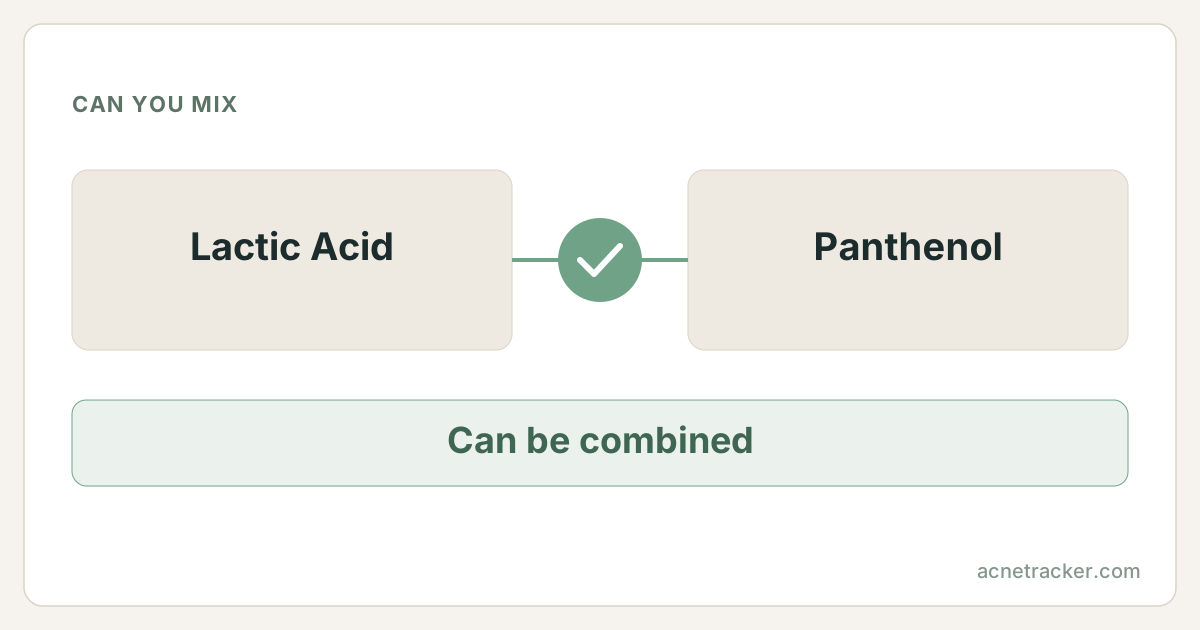
Yes, and panthenol is one of the best partners for any exfoliating acid. Lactic acid renews and hydrates while panthenol (pro-vitamin B5) is a humectant that soothes, reduces redness and supports barrier repair. Layer the acid first and panthenol on top, and it directly counters the irritation exfoliation can cause.
How this pairing resolves
The two ingredients, their published numbers, and where they land together.
The numbers beside each ingredient are its published comedogenic rating and effective pH window, taken from its own profile page.
Show the numbers
| Ingredients | Metric | 0–5 |
|---|---|---|
| Lactic Acid | Comedogenic rating | 0/5 |
| Lactic Acid | Effective pH | 3.0–4.0 |
| Panthenol | Comedogenic rating | 0/5 |
| Panthenol | Effective pH | no published pH |
Why
Panthenol converts in the skin to pantothenic acid, vitamin B5, which the skin uses in processes that support barrier repair and wound healing. On the surface it also acts as a humectant, binding water, and it has a well-documented soothing, anti-redness effect, which is why it appears in so many products aimed at sensitive or compromised skin. That makes it an especially reassuring partner for lactic acid. The AHA does the renewing and smoothing, and inevitably causes a little surface disruption, while panthenol steps in to calm that disruption, hold water in the skin and help the barrier recover. There is no chemical conflict, panthenol is stable and not pH-dependent, so it works whether the acid has lowered the surface pH or not. Because it is lightweight and water-based, it also does not blunt the acid if applied after it. For anyone whose skin flushes or tightens with acids, adding panthenol is a simple, evidence-friendly way to make exfoliation far more comfortable.
How to combine them
Panthenol usually appears in serums, essences, moisturizers and soothing creams, and it layers after the acid. Cleanse, apply lactic acid to dry skin, wait a few minutes, then apply your panthenol serum or cream to calm and hydrate. On non-acid nights and every morning, panthenol can be used as often as you like, with no frequency limit, and it is a good daily barrier-support step. If your skin is currently irritated, you can even use panthenol alone for a few recovery days while pausing the acid. Because lactic acid raises sun sensitivity, keep morning SPF 30 or higher. Beginners can add panthenol from day one and introduce lactic acid slowly, twice a week to start, leaning on panthenol to ease the adjustment.
Example routine
| When | Steps |
|---|---|
| Evening (2–3× per week) | Cleanser → Lactic acid → wait 5 min → Panthenol serum → Moisturizer |
| Other evenings | Cleanser → Panthenol serum → Moisturizer |
| Every morning | Cleanser → Panthenol serum → Moisturizer → SPF 30+ |
Warning signs
Frequently asked questions
Does panthenol go before or after lactic acid?
After. Apply lactic acid to clean dry skin first so it works at low pH, then panthenol on top to soothe and hydrate the freshly exfoliated surface. Its light, water-based texture will not blunt the acid.
Can panthenol reduce redness from lactic acid?
Yes, that is one of its main strengths. Panthenol has a documented anti-redness, soothing effect and supports barrier repair, so it is a natural counter to the mild irritation exfoliating acids can cause.
Can I use panthenol every day alongside lactic acid?
Yes. Panthenol has no frequency limit and works morning and night, making it a good daily barrier-support step. Only the lactic acid should stay at two or three nights a week for most skin.
Is panthenol enough to fix over-exfoliation from lactic acid?
It helps recovery but is not a cure-all. If skin is genuinely over-exfoliated, the key step is stopping the acid; panthenol then supports the barrier while it heals over the following days.
Sources & further reading
There is no single study of this exact question. The guidance here is reasoned from the ingredient profiles below, each of which carries its own references:
- Lactic Acid3 refs
- Panthenol3 refs
Show every reference behind this page (5)
- PubChem — Lactic acid compound summarycited by Lactic Acid
- DermNet — Alpha hydroxy acidscited by Lactic Acid
- European Commission CosIng database — Lactic Acidcited by Lactic Acid, Panthenol
- PubChem — Panthenol compound summarycited by Panthenol
- Safety Assessment of Panthenol, Pantothenic Acid, and Derivatives as Used in Cosmetics (PubMed)cited by Panthenol
Medical disclaimer
Ingredients mentioned on this page
Find your personal acne triggers
Our free Acne Tracker lets you log breakouts, sleep, stress and diet, and shows you which factors correlate with your flare-ups.