Can You Mix Hyaluronic Acid and Caffeine?
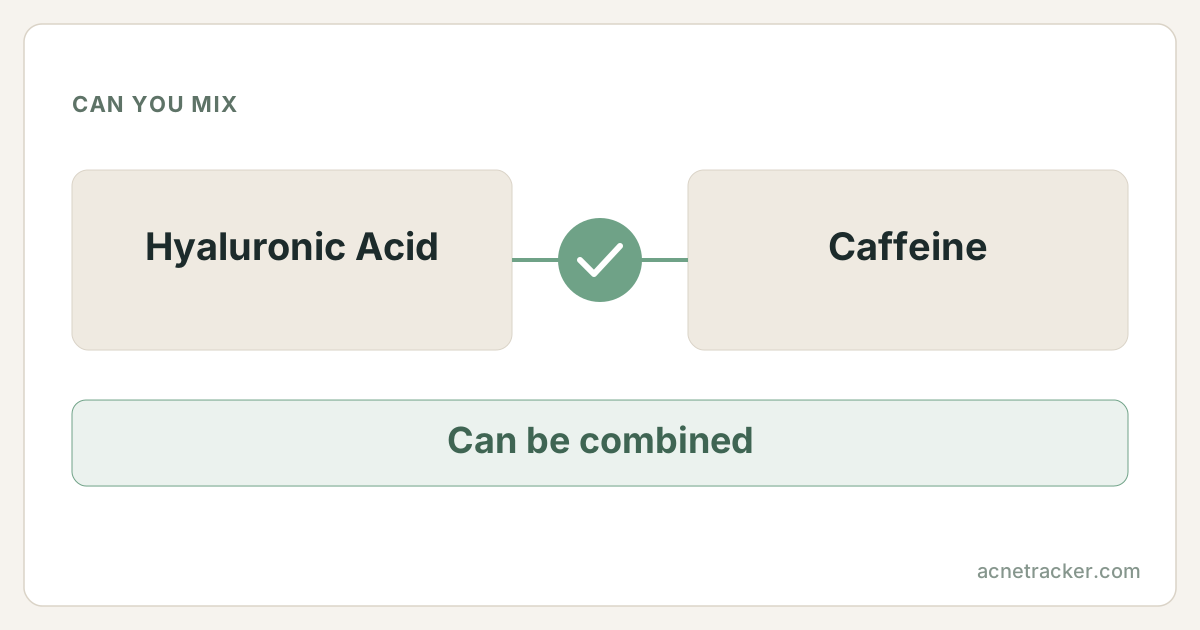
Yes, and you have almost certainly bought them together already — this is the default pairing in eye serums. They do not interact, and more usefully, they do not overlap: caffeine constricts blood vessels, hyaluronic acid holds water. The important thing is knowing which of your under-eye complaints each one can actually touch, because for the most common cause of dark circles, the honest answer is neither.
How this pairing resolves
The two ingredients, their published numbers, and where they land together.
The numbers beside each ingredient are its published comedogenic rating and effective pH window, taken from its own profile page.
Show the numbers
| Ingredients | Metric | 0–5 |
|---|---|---|
| Hyaluronic Acid | Comedogenic rating | 0/5 |
| Hyaluronic Acid | Effective pH | no published pH |
| Caffeine | Comedogenic rating | 0/5 |
| Caffeine | Effective pH | no published pH |
Why
Caffeine is a methylxanthine, small and reasonably able to cross the stratum corneum, and its topical effect is mostly vascular. It is a vasoconstrictor: it narrows small blood vessels, which can reduce the pooling of blood and the puffiness that comes with it. There is a plausible mechanism behind the eye-bag claim, and it is short-lived — hours, not days — which is why these products are pitched as a morning fix rather than a treatment. Caffeine is also an antioxidant, and it has been studied in cellulite formulas on a lipolysis rationale, where results are modest. What it cannot do is much for dark circles, and this is where the category oversells itself. Under-eye darkness has several distinct causes: genuine hyperpigmentation, visible vasculature through thin skin, tear-trough shadow from facial structure, and puffiness casting a shadow. A vasoconstrictor may help the vascular and puffy versions a little. It will do nothing for a shadow cast by bone, and pigment needs a pigment ingredient. Hyaluronic acid's contribution is narrower still but real: the skin here is the thinnest on the face, and superficial dehydration lines soften with hydration. That is a genuine, visible effect, and it is also temporary. Between the two molecules there is nothing at all: no pH conflict, no reactivity, no competition.
How to combine them
If they are in one eye serum, use it as directed and stop thinking about it. If separate, hyaluronic acid on damp skin first, caffeine over it, then an eye cream or your moisturiser to seal. Apply with the ring finger, tapping rather than dragging — the skin here is thin and does not benefit from being pulled. Stay on the orbital bone rather than creeping toward the lash line, since product migrating into the eye is the most common complaint with any eye serum. Caffeine's vasoconstriction is at its most useful in the morning, on a face that slept badly or ate salt; there is no benefit to a caffeine layer at bedtime. Both are unlimited in frequency and neither is photosensitising. Set expectations to hours, not months: this pair is cosmetic management, not a structural fix, and cold — a chilled spoon, a metal applicator — does much the same thing caffeine does, briefly and for free.
Example routine
| When | Steps |
|---|---|
| Morning | Cleanser → Hyaluronic acid on damp skin → Caffeine eye serum → Eye cream → SPF 30+ |
| Evening | Cleanser → Hyaluronic acid → Eye cream (caffeine adds nothing overnight) |
| Puffy morning | Cold applicator + caffeine — the effect lasts hours, not days |
| Application | Ring finger, tap on the orbital bone, never drag toward the lash line |
Warning signs
Frequently asked questions
Does caffeine actually work on dark circles?
Only on some kinds. It is a vasoconstrictor, so it may help where the darkness comes from pooled blood or puffiness. Shadow cast by facial structure and true hyperpigmentation are unaffected — different causes need different answers, and no eye serum fixes bone.
How long does the effect of a caffeine eye serum last?
Hours. Vasoconstriction is temporary, which is why these products are sold for the morning after a bad night. There is no cumulative structural change to wait for, so judging it after months makes no sense.
Why do eye serums always contain both caffeine and hyaluronic acid?
Because they address separate complaints cheaply and do not destabilise each other. Caffeine covers puffiness, hyaluronic acid softens superficial dehydration lines in the thinnest skin on the face. Together they read as a complete product.
Can I just use my regular hyaluronic acid serum around my eyes?
Usually yes — a plain humectant gel is fine on the orbital area if it contains no fragrance, alcohol or strong actives. Dedicated eye products are largely a formulation and packaging decision rather than a different ingredient.
Does drinking coffee do the same thing?
No — the effect here is local vasoconstriction from caffeine applied to the skin, not a systemic one. Sleep, salt and how you slept on your pillow influence morning puffiness far more than your coffee does.
Sources & further reading
There is no single study of this exact question. The guidance here is reasoned from the ingredient profiles below, each of which carries its own references:
- Hyaluronic Acid3 refs
- Caffeine2 refs
Show every reference behind this page (5)
- PubChem — Hyaluronic acid compound summarycited by Hyaluronic Acid
- European Commission CosIng database — Hyaluronic Acidcited by Hyaluronic Acid
- DermNet — Moisturisers and humectantscited by Hyaluronic Acid
- PubChem — Caffeinecited by Caffeine
- DermNet — Cosmeceuticalscited by Caffeine
Medical disclaimer
Ingredients mentioned on this page
Find your personal acne triggers
Our free Acne Tracker lets you log breakouts, sleep, stress and diet, and shows you which factors correlate with your flare-ups.