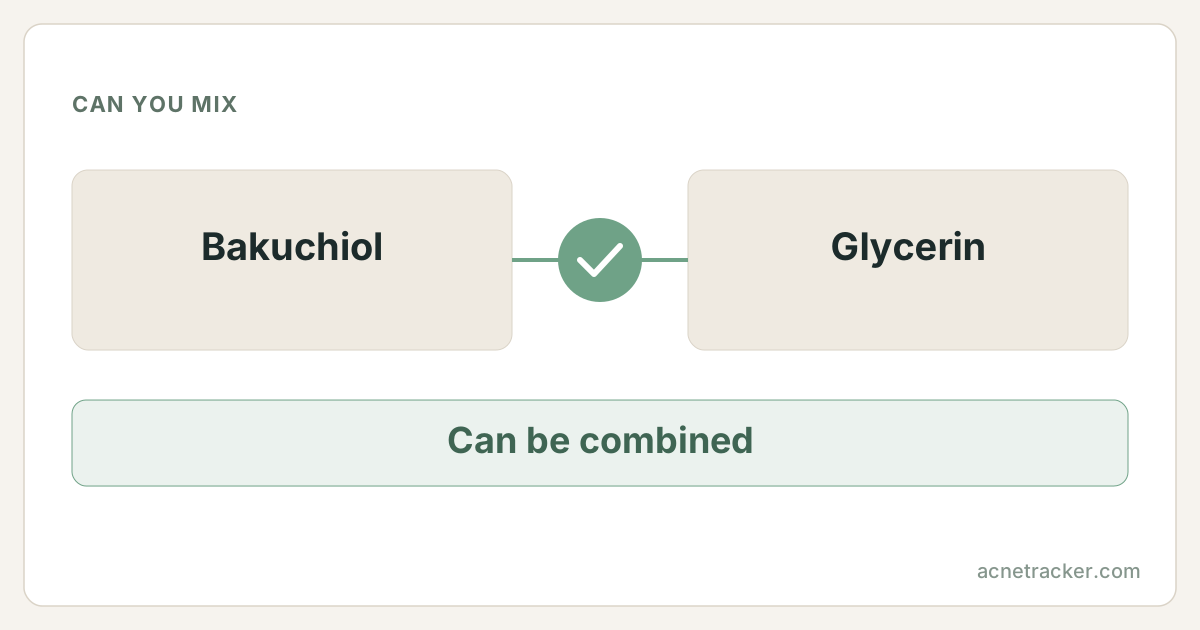
Can You Mix Bakuchiol and Glycerin?
Yes — this is about as safe and universal as skincare pairings get. Glycerin is the workhorse humectant that draws water into the skin and keeps it hydrated, while bakuchiol delivers gentle, retinol-like renewal. Glycerin simply makes bakuchiol more comfortable, cushioning any mild dryness so the skin stays soft and plump while it renews.
How this pairing resolves
The two ingredients, their published numbers, and where they land together.
The numbers beside each ingredient are its published comedogenic rating and effective pH window, taken from its own profile page.
Show the numbers
| Ingredients | Metric | 0–5 |
|---|---|---|
| Bakuchiol | Comedogenic rating | 0/5 |
| Bakuchiol | Effective pH | no published pH |
| Glycerin | Comedogenic rating | 0/5 |
| Glycerin | Effective pH | no published pH |
Why
Glycerin is one of the most studied and reliable humectants in all of skincare: a small molecule that binds water and pulls it into the upper layers of the skin, keeping the stratum corneum flexible and hydrated. It also supports the skin's own moisture-retention machinery and is essentially non-irritating at the levels used in cosmetics. Bakuchiol is the active half of the pair, signalling renewal and collagen through non-retinoid pathways while defending against free radicals. There is no chemistry to worry about: glycerin is inert, pH-neutral and compatible with virtually everything, and bakuchiol's own pH tolerance means the two never interfere. The value of the combination is comfort and consistency — well-hydrated skin tolerates active ingredients better and shows fewer side effects, so glycerin quietly raises the ceiling on how well bakuchiol is tolerated. It is the definition of a supportive, no-risk base pairing that suits every skin type.
How to combine them
This could not be simpler. Glycerin appears in most toners, essences and moisturisers, so in practice you apply a glycerin-containing hydrating step and layer bakuchiol with it. On clean, slightly damp skin apply your bakuchiol serum, then a glycerin-rich moisturiser to seal in both the active and the water it is holding — humectants like glycerin work best when there is moisture available to grab, so damp skin or a hydrating toner underneath helps. Use the pair morning and night; there is no photosensitivity to consider, though daytime SPF still protects your renewal results. No adjustment period is needed. If you live in a very dry climate, make sure an occlusive or emollient sits over the glycerin so the water it attracts does not simply evaporate.
Example routine
| When | Steps |
|---|---|
| Morning | Cleanser → (damp skin) → Bakuchiol serum → Glycerin moisturiser → SPF 30+ |
| Evening | Cleanser → Hydrating toner → Bakuchiol serum → Glycerin moisturiser |
| Dry climate | Add an occlusive over the glycerin to lock in water |
| Note | Apply to slightly damp skin so glycerin has water to hold |
Warning signs
Frequently asked questions
Does glycerin make bakuchiol easier to tolerate?
Yes. Glycerin keeps the skin well hydrated, and hydrated skin handles active ingredients better with fewer side effects, so glycerin cushions any mild dryness from bakuchiol's renewal work.
Can every skin type use bakuchiol and glycerin?
Yes. This is one of the most universal pairings there is — glycerin suits all skin types and bakuchiol is gentle, so oily, dry, sensitive and mature skin can all use the combination.
Should glycerin go before or after bakuchiol?
Usually after, as part of your moisturiser, sealing the bakuchiol serum you applied to damp skin. A glycerin toner can also go before bakuchiol to pre-hydrate — either order is fine.
Do bakuchiol and glycerin interact chemically?
No. Glycerin is inert and pH-neutral, and bakuchiol tolerates a wide pH range, so they never interfere. It is a purely supportive, no-risk combination.
Sources & further reading
There is no single study of this exact question. The guidance here is reasoned from the ingredient profiles below, each of which carries its own references:
Show every reference behind this page (6)
- PubChem — Bakuchiol compound summarycited by Bakuchiol
- Bakuchiol: a retinol-like functional compound (PubMed)cited by Bakuchiol
- DermNet — Cosmeceuticalscited by Bakuchiol
- PubChem — Glycerol compound summarycited by Glycerin
- DermNet — Moisturiserscited by Glycerin
- European Commission CosIng database — Glycerincited by Glycerin
Medical disclaimer
Ingredients mentioned on this page
Find your personal acne triggers
Our free Acne Tracker lets you log breakouts, sleep, stress and diet, and shows you which factors correlate with your flare-ups.