Can You Mix Bakuchiol and Copper Peptides?
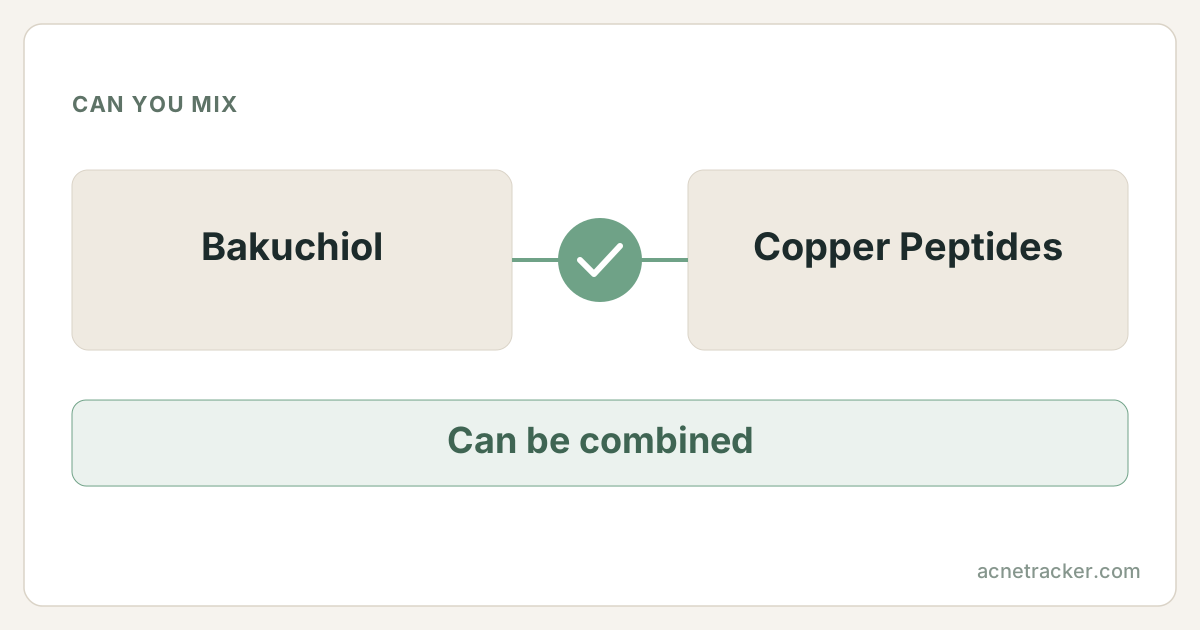
Yes, and it is a collagen-focused power pairing. Copper peptides (GHK-Cu) signal skin to repair and rebuild, supporting collagen, elastin and wound healing, while bakuchiol adds its own retinol-like collagen stimulation and antioxidant defence. Because bakuchiol is not an acid or a strong oxidiser, it partners with delicate copper peptides far more comfortably than potent acids or vitamin C do.
How this pairing resolves
The two ingredients, their published numbers, and where they land together.
The numbers beside each ingredient are its published comedogenic rating and effective pH window, taken from its own profile page.
Show the numbers
| Ingredients | Metric | 0–5 |
|---|---|---|
| Bakuchiol | Comedogenic rating | 0/5 |
| Bakuchiol | Effective pH | no published pH |
| Copper Peptides | Comedogenic rating | 0/5 |
| Copper Peptides | Effective pH | no published pH |
Why
Copper peptides — most famously the GHK-Cu tripeptide bound to copper — are signalling molecules that tell fibroblasts to produce collagen and elastin, dampen inflammation and support tissue repair. They are prized for firming and improving skin quality over time, but they are also considered a little temperamental: strong acids and high-dose L-ascorbic acid can, in theory, disrupt the copper complex or compete with it. Bakuchiol is the ideal quiet partner here. It also drives collagen, but through a separate retinoid-mimicking pathway, and it is neither strongly acidic nor a reactive oxidiser, so it does not threaten the peptide's stability. The two build on the same goal — firmer, better-quality skin — from complementary directions: copper peptides via repair signalling, bakuchiol via turnover and antioxidant support. For anyone assembling an anti-ageing routine who has heard that copper peptides are fussy about their neighbours, bakuchiol is one of the safest and most synergistic actives to pair them with.
How to combine them
Layer by texture and give the peptides room to work. On clean skin apply copper peptides first — they are usually a light serum and benefit from direct contact — let them absorb fully, then apply bakuchiol, and seal with moisturiser. Some enthusiasts prefer to keep copper peptides and other actives in separate routines to avoid any interaction, so a clean option is copper peptides in the morning and bakuchiol in the evening; both are non-photosensitising, so either schedule works with daytime SPF. Avoid sandwiching copper peptides directly between strong acids, but bakuchiol poses no such risk. No adjustment ramp is needed, though results in firmness build over months of consistent use.
Example routine
| When | Steps |
|---|---|
| Morning | Cleanser → Copper peptides → Bakuchiol serum → Moisturiser → SPF 30+ |
| Evening | Cleanser → Copper peptides → Bakuchiol serum → Moisturiser |
| Separation option | Copper peptides AM, bakuchiol PM to keep them apart |
| Note | Let copper peptides absorb before layering bakuchiol |
Warning signs
Frequently asked questions
Can I layer bakuchiol and copper peptides for collagen?
Yes, they are a strong collagen-support pair. Copper peptides signal repair and collagen synthesis while bakuchiol adds retinoid-like stimulation, and because bakuchiol is gentle and non-acidic it does not destabilise the copper complex.
Do copper peptides and bakuchiol deactivate each other?
No. Unlike strong acids or high-dose vitamin C, bakuchiol is neither strongly acidic nor a reactive oxidiser, so it will not break down the copper-peptide complex. They coexist well in a routine.
Should copper peptides go before or after bakuchiol?
Copper peptides first, on clean skin, so the signalling molecules reach the skin directly. Let them absorb, then apply bakuchiol and finish with moisturiser.
Is it better to use bakuchiol and copper peptides at different times of day?
It is optional. Some people separate copper peptides into the morning and bakuchiol into the evening to avoid any interaction, but since neither is photosensitising, using them together also works fine.
Sources & further reading
There is no single study of this exact question. The guidance here is reasoned from the ingredient profiles below, each of which carries its own references:
- Bakuchiol3 refs
- Copper Peptides2 refs
Show every reference behind this page (5)
- PubChem — Bakuchiol compound summarycited by Bakuchiol
- Bakuchiol: a retinol-like functional compound (PubMed)cited by Bakuchiol
- DermNet — Cosmeceuticalscited by Bakuchiol
- European Commission CosIng database — Copper Tripeptide-1cited by Copper Peptides
- PubMed — The human tri-peptide GHK and tissue remodeling (J Biomater Sci Polym Ed, 2008)cited by Copper Peptides
Medical disclaimer
Ingredients mentioned on this page
Find your personal acne triggers
Our free Acne Tracker lets you log breakouts, sleep, stress and diet, and shows you which factors correlate with your flare-ups.