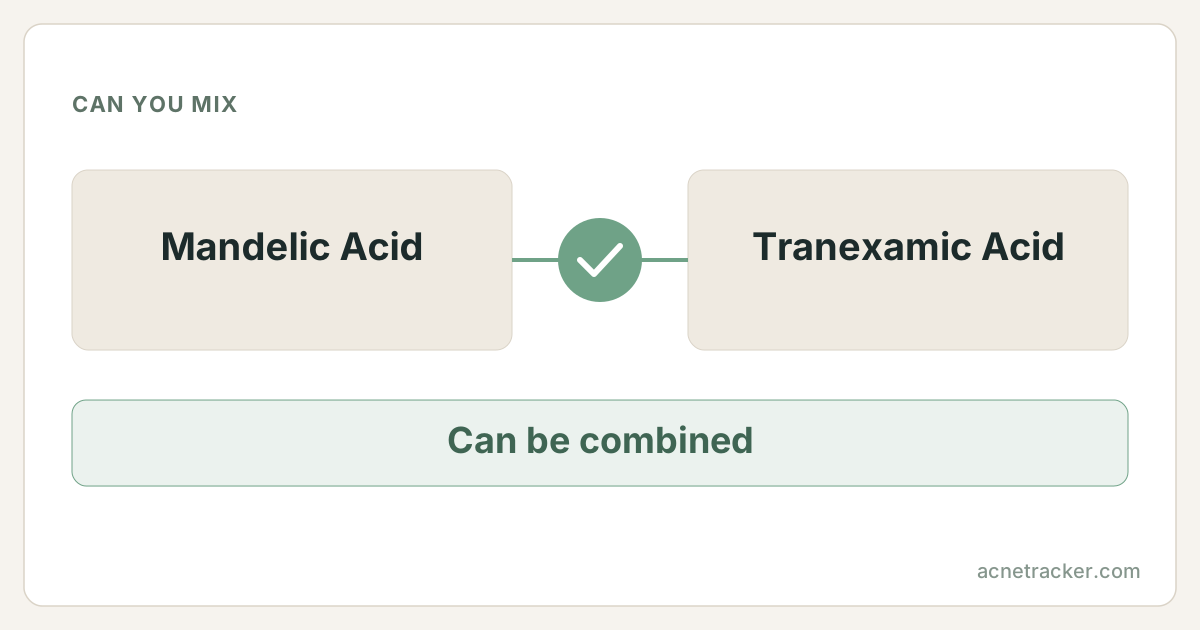
Can You Mix Mandelic Acid and Tranexamic Acid?
Yes — this is a strong yet gentle pigment-correcting pair, well suited to melasma and stubborn post-acne marks. Mandelic acid resurfaces to lift existing pigment, while tranexamic acid works on the pathway that drives excess melanin and the blood-vessel signalling behind melasma. Despite the shared word acid, tranexamic acid is not an exfoliant, so there is no over-exfoliation risk.
How this pairing resolves
The two ingredients, their published numbers, and where they land together.
The numbers beside each ingredient are its published comedogenic rating and effective pH window, taken from its own profile page.
Show the numbers
| Ingredients | Metric | 0–5 |
|---|---|---|
| Mandelic Acid | Comedogenic rating | 0/5 |
| Mandelic Acid | Effective pH | 3.0–4.0 |
| Tranexamic Acid | Comedogenic rating | 0/5 |
| Tranexamic Acid | Effective pH | no published pH |
Why
Tranexamic acid is not an exfoliating acid at all; it is an amino-acid derivative that interrupts the plasmin pathway linking UV exposure, inflammation and the melanocytes that overproduce pigment. That makes it one of the few ingredients with real evidence for melasma, a notoriously stubborn, recurrence-prone form of pigmentation. Mandelic acid comes at the same problem from the surface, using slow, even turnover to shed already-pigmented cells, and its gentleness matters enormously here because melasma-prone and deeper skin tones darken in response to irritation — a harsher acid could worsen the very thing you are treating. Paired, tranexamic acid calms the overproduction signal while mandelic acid clears the deposited pigment, and neither destabilises the other: tranexamic acid is pH-flexible and comfortable layered after an acid. This combination is increasingly recommended precisely because it is effective without being aggressive, letting people with reactive or pigment-prone skin treat marks consistently. As with all pigment work, results are gradual and depend entirely on daily sun protection.
How to combine them
Apply mandelic acid to clean, dry skin, wait five to ten minutes, then apply tranexamic acid serum and seal with moisturiser. Tranexamic acid is gentle and can be used morning and night, so many people run it twice daily and slot mandelic acid underneath it two or three evenings a week. Sunscreen is non-negotiable and arguably the most important step of all for melasma: UV is the single biggest driver of relapse, and mandelic acid adds photosensitivity, so a daily broad-spectrum SPF 30+ — ideally with iron oxides for visible-light protection in melasma — does much of the real work. Introduce one product at a time, and expect a slow, steady fade over several months rather than a quick result. Tranexamic acid also layers well with niacinamide or vitamin C if you want to build the routine further later.
Example routine
| When | Steps |
|---|---|
| Morning | Cleanser → Tranexamic acid → Moisturizer → SPF 30+ (iron oxides ideal) |
| Evening (2–3× week) | Cleanser → Mandelic acid → wait 5–10 min → Tranexamic acid → Moisturizer |
| Other evenings | Cleanser → Tranexamic acid → Moisturizer |
Warning signs
Frequently asked questions
Is tranexamic acid an exfoliant like mandelic acid?
No. Despite the name, tranexamic acid does not exfoliate — it interrupts the pathway that overproduces melanin. That means pairing it with mandelic acid carries no over-exfoliation risk.
Is mandelic acid and tranexamic acid good for melasma?
It is a well-matched melasma routine: tranexamic acid is one of the few evidence-backed topicals for melasma, and gentle mandelic acid clears surface pigment without the irritation that can worsen it.
Should tranexamic acid go before or after mandelic acid?
After. Mandelic acid needs bare skin at its low pH first; apply tranexamic acid a few minutes later. Tranexamic acid can also be used on its own in the morning.
Why is sunscreen so important with this pairing?
UV is the main driver of melasma relapse and mandelic acid adds photosensitivity, so daily broad-spectrum SPF — ideally with iron oxides for visible light — protects your progress more than any serum.
Sources & further reading
There is no single study of this exact question. The guidance here is reasoned from the ingredient profiles below, each of which carries its own references:
- Mandelic Acid2 refs
- Tranexamic Acid3 refs
Show every reference behind this page (5)
- Mandelic acid — PubChem compound summarycited by Mandelic Acid
- DermNet — Alpha hydroxy acidscited by Mandelic Acid
- PubChem — Tranexamic acid compound summarycited by Tranexamic Acid
- Tranexamic Acid for Hyperpigmentation Disorders: A Literature Review on Efficacy and Safety in Melasma and PIH. J Cosmet Dermatol 2026 Feb (PubMed)cited by Tranexamic Acid
- DermNet — Melasmacited by Tranexamic Acid
Medical disclaimer
Ingredients mentioned on this page
Find your personal acne triggers
Our free Acne Tracker lets you log breakouts, sleep, stress and diet, and shows you which factors correlate with your flare-ups.