Can You Mix Mandelic Acid and Squalane?
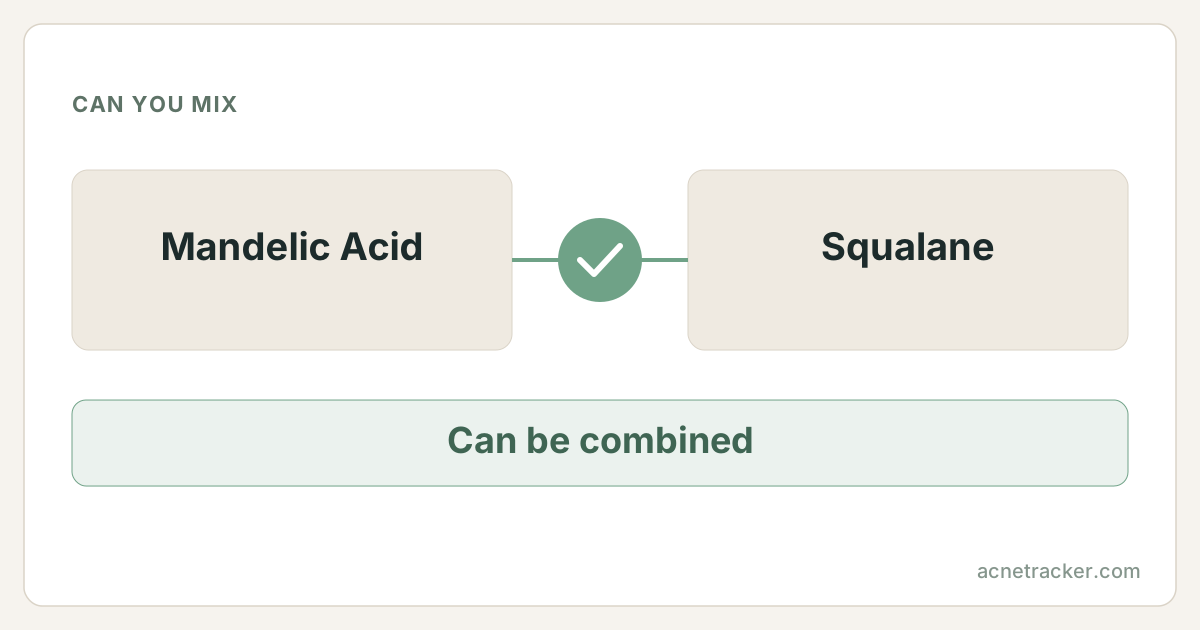
Yes — this is a low-irritation pairing tailored to sensitive and acne-prone skin. Mandelic acid, the gentlest AHA, resurfaces slowly, and squalane is a lightweight, non-comedogenic emollient that mimics the skin's own oils, replacing softness lost to exfoliation without clogging pores. It is one of the most comfortable ways to keep an acid in a sensitive routine.
How this pairing resolves
The two ingredients, their published numbers, and where they land together.
The numbers beside each ingredient are its published comedogenic rating and effective pH window, taken from its own profile page.
Show the numbers
| Ingredients | Metric | 0–5 |
|---|---|---|
| Mandelic Acid | Comedogenic rating | 0/5 |
| Mandelic Acid | Effective pH | 3.0–4.0 |
| Squalane | Comedogenic rating | 1/5 |
| Squalane | Effective pH | no published pH |
Why
Squalane is a saturated, stable version of squalene, a lipid the skin already makes, which is why it absorbs cleanly and rates very low for pore-clogging. Its job in this pair is emollience: it fills the microscopic gaps between skin cells and slows water loss, softening the surface that mandelic acid has just exfoliated. Because mandelic acid's large molecule penetrates slowly and gently, the amount of dryness to offset is modest, so a light squalane layer is usually all it takes to keep skin comfortable. There is no chemical interaction to worry about — squalane is an inert oil that does not shift the acid's pH and is applied afterwards as an occlusive-leaning moisturiser. The combination is popular with people who want acid benefits but react to heavier creams or fragrant lotions, since squalane is one of the simplest, best-tolerated moisturising agents available. It also suits those with an oily-but-sensitive skin type, who need the exfoliation of an AHA but cannot risk a comedogenic moisturiser undoing the pore-clearing work.
How to combine them
Apply mandelic acid to clean, dry skin first, wait about five minutes for it to absorb and hold its working pH, then apply squalane — either a few drops of pure squalane oil or a squalane-based moisturiser — as your final leave-on step. Because squalane is a gentle emollient rather than a timed active, use it daily, on acid nights and off nights alike, and morning too if your skin likes it. Always finish daytime routines with SPF while using mandelic acid. If you use pure squalane oil, press it in as the last step so it does not sit between the acid and the skin; if you prefer a cream, look for a squalane-forward, fragrance-free formula. A couple of drops is plenty — more will not clog, but it can feel slick under makeup.
Example routine
| When | Steps |
|---|---|
| Evening (2–3× week) | Cleanser → Mandelic acid → wait 5 min → Moisturizer → Squalane oil |
| Off evenings | Cleanser → Moisturizer → Squalane oil |
| Every morning | Cleanser → Squalane (optional) → Moisturizer → SPF 30+ |
Warning signs
Frequently asked questions
Is squalane comedogenic — will it clog pores over mandelic acid?
Pure squalane rates very low for clogging pores because it mirrors the skin's own lipids and absorbs cleanly, so it is a safe moisturiser to layer over mandelic acid on acne-prone skin.
Should squalane go on before or after mandelic acid?
After. Mandelic acid needs bare skin at its low pH, so it goes first; squalane is an emollient final step that seals in moisture once the acid has absorbed.
Why is mandelic acid and squalane good for sensitive skin?
Mandelic acid is the gentlest AHA and squalane is one of the best-tolerated moisturisers, so together they resurface and soften with very little of the irritation heavier or more acidic routines cause.
Can I use squalane every day with mandelic acid a few nights a week?
Yes. Squalane is a leave-on emollient with no schedule, so daily use is ideal; keep mandelic acid to the two or three evenings your skin tolerates and let squalane cushion in between.
Sources & further reading
There is no single study of this exact question. The guidance here is reasoned from the ingredient profiles below, each of which carries its own references:
- Mandelic Acid2 refs
- Squalane3 refs
Show every reference behind this page (5)
- Mandelic acid — PubChem compound summarycited by Mandelic Acid
- DermNet — Alpha hydroxy acidscited by Mandelic Acid
- PubChem — Squalane compound summarycited by Squalane
- DermNet — Emollients and moisturiserscited by Squalane
- European Commission CosIng database — Squalanecited by Squalane
Medical disclaimer
Ingredients mentioned on this page
Find your personal acne triggers
Our free Acne Tracker lets you log breakouts, sleep, stress and diet, and shows you which factors correlate with your flare-ups.