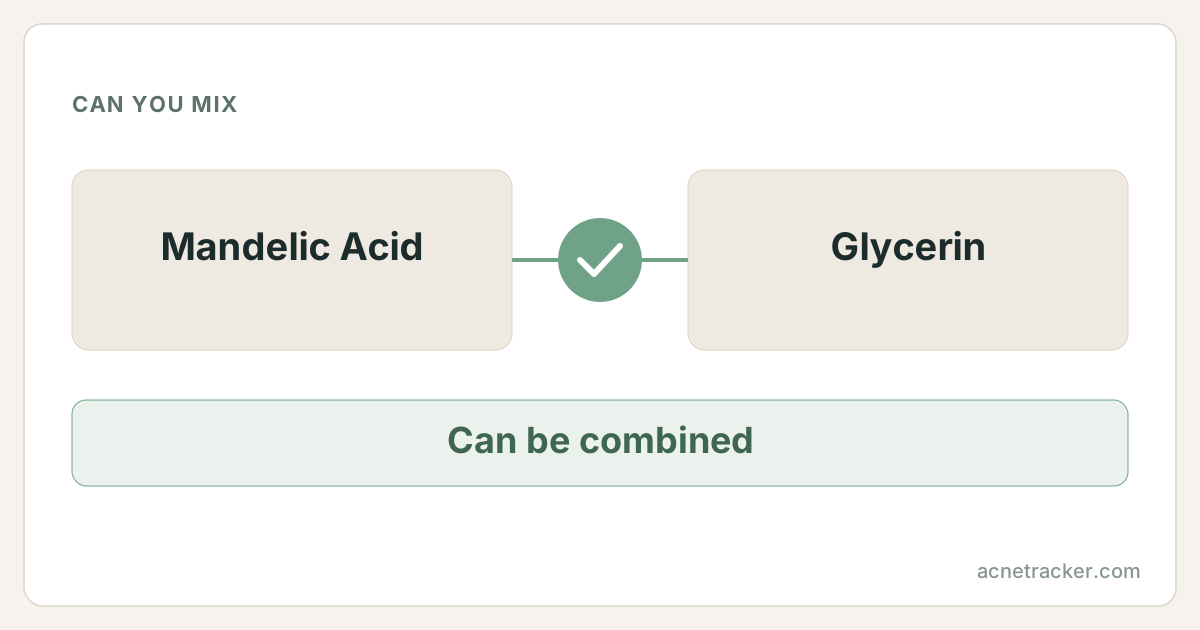
Can You Mix Mandelic Acid and Glycerin?
Yes — this is about as safe and sensible as pairings get. Mandelic acid gently exfoliates while glycerin, the most reliable humectant in skincare, draws water into the freshly resurfaced skin. It offsets the small amount of dryness any acid causes and costs almost nothing, which is why glycerin appears in so many well-formulated acid products already.
How this pairing resolves
The two ingredients, their published numbers, and where they land together.
The numbers beside each ingredient are its published comedogenic rating and effective pH window, taken from its own profile page.
Show the numbers
| Ingredients | Metric | 0–5 |
|---|---|---|
| Mandelic Acid | Comedogenic rating | 0/5 |
| Mandelic Acid | Effective pH | 3.0–4.0 |
| Glycerin | Comedogenic rating | 0/5 |
| Glycerin | Effective pH | no published pH |
Why
Glycerin is a small, water-loving molecule that binds moisture from deeper in the skin and the surrounding air, holding it in the upper layers where exfoliation makes skin thirstiest. Mandelic acid loosens and sheds dead cells slowly thanks to its large molecule, and while it is the gentlest AHA it still nudges up water loss from the surface. Glycerin plugs that gap directly, keeping the stratum corneum flexible and comfortable so the exfoliation reads as smoothing rather than stripping. There is no pH interaction to manage — glycerin is inert and stable across every pH an acid routine involves, and it is often present in the mandelic acid formula itself, which is why many toners feel hydrating rather than harsh. On acne-prone skin, well-hydrated skin exfoliates more evenly and is less likely to flake, so the pores clear without the patchy dryness that can trap debris. Glycerin does not penetrate or treat like an active; it simply makes the acid easier to live with, night after night.
How to combine them
Because glycerin is a humectant, it works best on slightly damp skin with a moisturiser or occlusive over the top to lock the water in. Apply mandelic acid to clean, dry skin first and wait a few minutes; then apply a glycerin-containing serum or essence, and seal with moisturiser. Use glycerin every day — it has no adjustment period and no schedule. In a very dry climate, always follow glycerin with a cream, since on its own a humectant can pull water from deeper in the skin if there is nothing to trap at the surface. Mornings still end with SPF while you use mandelic acid. Many people get everything they need from a single mandelic acid product that already lists glycerin high in the formula, followed by a plain moisturiser.
Example routine
| When | Steps |
|---|---|
| Evening (2–3× week) | Cleanser → Mandelic acid → wait 5 min → Glycerin serum → Moisturizer |
| Off evenings | Cleanser → Glycerin serum → Moisturizer |
| Every morning | Cleanser → Glycerin (optional) → Moisturizer → SPF 30+ |
Warning signs
Frequently asked questions
Does glycerin weaken mandelic acid?
No. Glycerin is an inert humectant applied after the acid, so it hydrates the skin without changing the acid's pH or blocking the exfoliation happening underneath.
Should glycerin go on before or after mandelic acid?
After. Mandelic acid needs bare skin at its low pH first; glycerin follows to pull in moisture, ideally on slightly damp skin and sealed with a moisturiser.
Can glycerin stop mandelic acid from drying my skin?
Largely, yes. Glycerin replaces the surface water exfoliation costs you, so pairing it with mandelic acid keeps skin supple and prevents the tight, flaky feeling acids can leave.
Do I need a separate glycerin product with mandelic acid?
Not always. Glycerin is a common ingredient in acid formulas and moisturisers, so if your mandelic acid or night cream already lists it high up, you may not need to add another step.
Sources & further reading
There is no single study of this exact question. The guidance here is reasoned from the ingredient profiles below, each of which carries its own references:
- Mandelic Acid2 refs
- Glycerin3 refs
Show every reference behind this page (5)
- Mandelic acid — PubChem compound summarycited by Mandelic Acid
- DermNet — Alpha hydroxy acidscited by Mandelic Acid
- PubChem — Glycerol compound summarycited by Glycerin
- DermNet — Moisturiserscited by Glycerin
- European Commission CosIng database — Glycerincited by Glycerin
Medical disclaimer
Ingredients mentioned on this page
Find your personal acne triggers
Our free Acne Tracker lets you log breakouts, sleep, stress and diet, and shows you which factors correlate with your flare-ups.