Can You Mix Lactic Acid and Vitamin E?
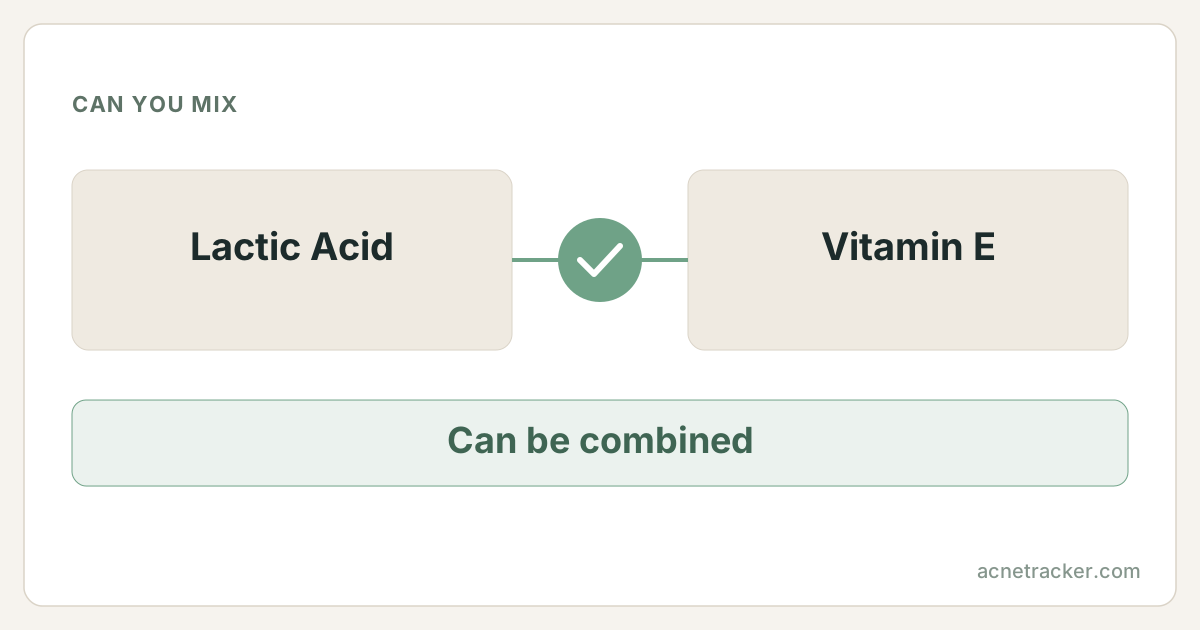
Yes. Lactic acid renews and hydrates the surface, and vitamin E is a fat-soluble antioxidant and emollient that protects the fresh skin and softens it. Apply the acid first and vitamin E afterward, and it helps defend the newly exfoliated surface against oxidative stress while easing dryness.
How this pairing resolves
The two ingredients, their published numbers, and where they land together.
The numbers beside each ingredient are its published comedogenic rating and effective pH window, taken from its own profile page.
Show the numbers
| Ingredients | Metric | 0–5 |
|---|---|---|
| Lactic Acid | Comedogenic rating | 0/5 |
| Lactic Acid | Effective pH | 3.0–4.0 |
| Vitamin E | Comedogenic rating | 0/5 |
| Vitamin E | Effective pH | no published pH |
Why
Vitamin E (tocopherol) is the skin's main fat-soluble antioxidant, sitting in the lipid part of the barrier where it neutralises free radicals generated by UV and pollution. It is also a mild emollient that softens and conditions. That combination makes it a logical follow-up to lactic acid. After the AHA sheds dull cells and draws water into the surface, the newly revealed skin is a little more exposed, and vitamin E adds an antioxidant layer of protection while cushioning the exfoliated surface. There is no incompatibility: vitamin E is oil-soluble and pH-stable, so lactic acid's acidity neither degrades it nor is disturbed by it. Vitamin E also works especially well alongside vitamin C, so a morning antioxidant serum can complement an evening acid-and-vitamin-E routine. The one practical note is texture: pure vitamin E oil is heavy, so oily or acne-prone skin should get its vitamin E from a lightweight serum or moisturizer rather than a thick facial oil.
How to combine them
Vitamin E usually comes blended into a serum, oil or moisturizer, and because it is oil-loving it belongs after the acid. Cleanse, apply lactic acid to dry skin, wait a few minutes, then apply your vitamin E serum or moisturizer, sealing with a plain moisturizer if needed. Vitamin E has no frequency limit and can be used daily, morning and night, while lactic acid stays at two or three evenings a week for most skin. In the morning, a vitamin E product pairs naturally with vitamin C and then sunscreen, giving daytime antioxidant defence. Keep vitamin E lightweight if your skin is oily, and always finish mornings with broad-spectrum SPF 30 or higher, since lactic acid raises sun sensitivity.
Example routine
| When | Steps |
|---|---|
| Evening (2–3× per week) | Cleanser → Lactic acid → wait 5 min → Vitamin E serum → Moisturizer |
| Other evenings | Cleanser → Vitamin E serum → Moisturizer |
| Every morning | Cleanser → Vitamin C + E serum → Moisturizer → SPF 30+ |
Warning signs
Frequently asked questions
Does vitamin E go before or after lactic acid?
After. Apply lactic acid to clean dry skin first so it works at low pH, then a vitamin E serum or moisturizer on top. Being oil-soluble, vitamin E applied first would slow the acid.
Can vitamin E soothe irritation from lactic acid?
It can help. Vitamin E is an emollient antioxidant that softens skin and reduces oxidative stress on the freshly exfoliated surface, though it is support, not a remedy for genuine over-exfoliation.
Will vitamin E clog pores when used with lactic acid?
Heavy vitamin E oils can clog acne-prone skin, but lightweight serum or moisturizer forms rarely do. Since lactic acid keeps pores clear, choosing a light vitamin E texture makes the pairing suitable for oily skin.
Is it better to use vitamin E with vitamin C or with lactic acid?
You can do both on different steps. Vitamin E pairs with vitamin C in a morning antioxidant serum and follows lactic acid at night, so it supports two routines rather than competing with either.
Sources & further reading
There is no single study of this exact question. The guidance here is reasoned from the ingredient profiles below, each of which carries its own references:
- Lactic Acid3 refs
- Vitamin E3 refs
Show every reference behind this page (5)
- PubChem — Lactic acid compound summarycited by Lactic Acid
- DermNet — Alpha hydroxy acidscited by Lactic Acid
- European Commission CosIng database — Lactic Acidcited by Lactic Acid, Vitamin E
- PubChem — Tocopherol compound summarycited by Vitamin E
- DermNet — Vitamin Ecited by Vitamin E
Medical disclaimer
Ingredients mentioned on this page
Find your personal acne triggers
Our free Acne Tracker lets you log breakouts, sleep, stress and diet, and shows you which factors correlate with your flare-ups.