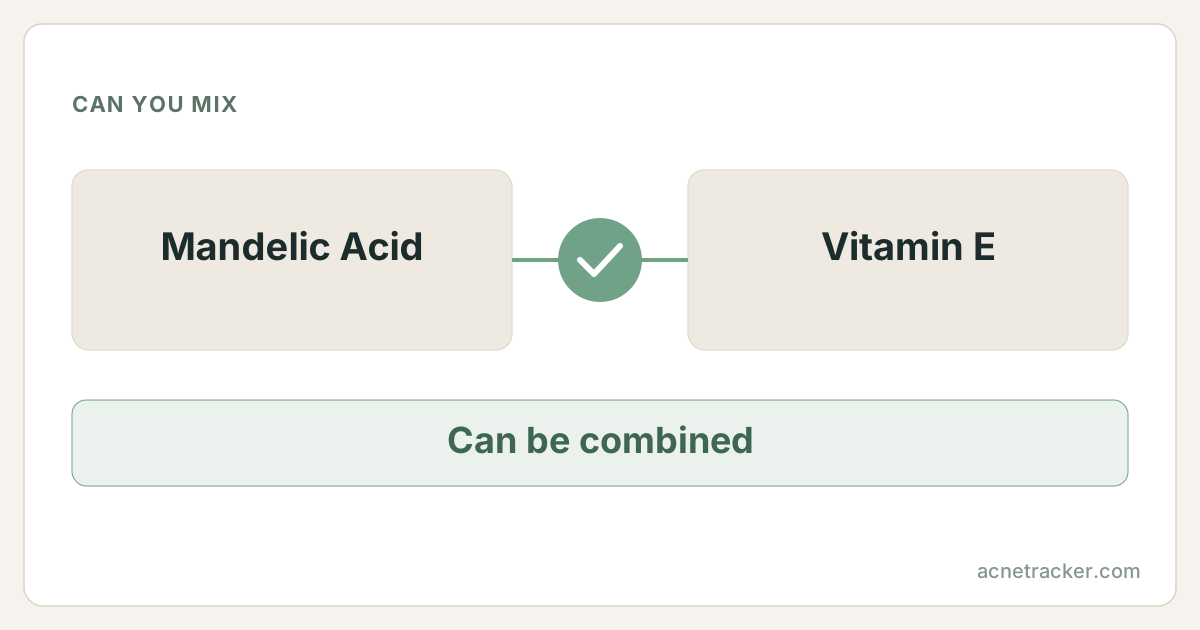
Can You Mix Mandelic Acid and Vitamin E?
Yes. Mandelic acid gently resurfaces the skin, and vitamin E is a fat-soluble antioxidant that shields the newly exposed cells from oxidative stress while helping the barrier hold moisture. Because exfoliation briefly raises sensitivity to light and pollution, pairing it with an antioxidant is a logical, low-risk match, especially if you are fading post-acne marks.
How this pairing resolves
The two ingredients, their published numbers, and where they land together.
The numbers beside each ingredient are its published comedogenic rating and effective pH window, taken from its own profile page.
Show the numbers
| Ingredients | Metric | 0–5 |
|---|---|---|
| Mandelic Acid | Comedogenic rating | 0/5 |
| Mandelic Acid | Effective pH | 3.0–4.0 |
| Vitamin E | Comedogenic rating | 0/5 |
| Vitamin E | Effective pH | no published pH |
Why
Freshly exfoliated skin is more vulnerable to the free radicals produced by UV and pollution, and mandelic acid also carries a mild photosensitising effect while you use it. Vitamin E (tocopherol) is the skin's main lipid-phase antioxidant: it sits in the barrier's fatty layer and quenches the reactive oxygen species that would otherwise oxidise lipids and drive inflammation and pigmentation. Layering it after mandelic acid gives the resurfaced surface a protective net rather than leaving it bare. There is no pH battle to referee — vitamin E is a stable, oily ingredient that does not compete for the acid's low pH and is simply delivered in a serum, oil or moisturiser after the acid absorbs. The two also share a marks-focused logic: mandelic acid speeds turnover to fade existing dark spots, while vitamin E's antioxidant action helps prevent the oxidative inflammation that creates new ones, which matters most on skin prone to post-inflammatory hyperpigmentation. Vitamin E is even more effective alongside vitamin C, but on its own it makes a sensible, soothing partner for an acid.
How to combine them
Apply mandelic acid first on clean, dry skin so it can work at its low pH, wait about five minutes, then apply your vitamin E serum or a moisturiser containing tocopherol. Because vitamin E is a leave-on antioxidant and emollient rather than a scheduled exfoliant, you can use it every day regardless of whether it is an acid night. It layers particularly well in the morning under sunscreen, where its antioxidant protection complements the SPF — though it never replaces it, and daily broad-spectrum SPF remains essential while you use mandelic acid. If your vitamin E comes as a facial oil, keep it as the final step so it does not block the water-based acid underneath. Pure high-percentage vitamin E oils can feel heavy on oily skin, so a lightweight serum form is usually the better choice for acne-prone faces.
Example routine
| When | Steps |
|---|---|
| Evening (2–3× week) | Cleanser → Mandelic acid → wait 5 min → Vitamin E serum → Moisturizer |
| Off evenings | Cleanser → Vitamin E serum → Moisturizer |
| Every morning | Cleanser → Vitamin E (optional) → Moisturizer → SPF 30+ |
Warning signs
Frequently asked questions
Does vitamin E stop mandelic acid from working?
No. Vitamin E is an oil-phase antioxidant applied after the acid absorbs, so it protects the resurfaced skin without blocking or neutralising the exfoliation happening underneath it.
Should mandelic acid or vitamin E go first?
Mandelic acid first, on bare skin at its low working pH. Vitamin E, being oily and leave-on, goes afterwards as a protective, moisturising step and can even be the final layer.
Is mandelic acid and vitamin E good for post-acne marks?
It is a sensible marks routine: mandelic acid speeds turnover to fade existing spots, and vitamin E's antioxidant action helps prevent the oxidative inflammation that forms new pigmentation.
Can I use vitamin E in the morning with mandelic acid at night?
Yes, and it is a good split. Vitamin E layers well under morning sunscreen for antioxidant support, while mandelic acid is best at night because it briefly raises sun sensitivity.
Sources & further reading
There is no single study of this exact question. The guidance here is reasoned from the ingredient profiles below, each of which carries its own references:
- Mandelic Acid2 refs
- Vitamin E3 refs
Show every reference behind this page (5)
- Mandelic acid — PubChem compound summarycited by Mandelic Acid
- DermNet — Alpha hydroxy acidscited by Mandelic Acid
- PubChem — Tocopherol compound summarycited by Vitamin E
- DermNet — Vitamin Ecited by Vitamin E
- European Commission CosIng database — Tocopherolcited by Vitamin E
Medical disclaimer
Ingredients mentioned on this page
Find your personal acne triggers
Our free Acne Tracker lets you log breakouts, sleep, stress and diet, and shows you which factors correlate with your flare-ups.